


The premier says their plan for rate mitigation is a milestone, not a millstone.
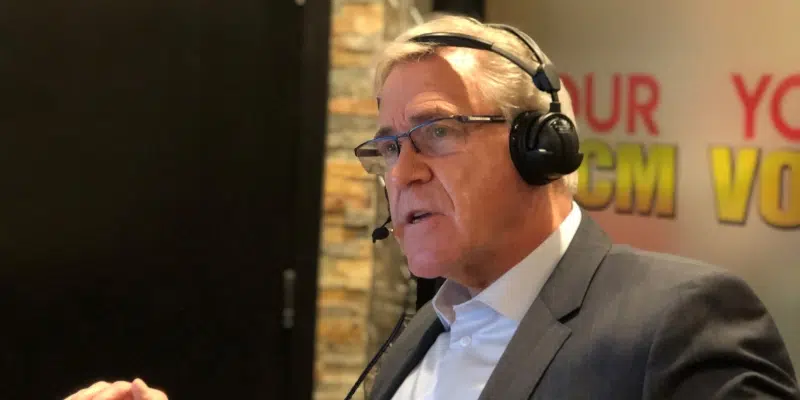
Dwight Ball was the in-studio guest of VOCM Open Line host Paddy Daly this morning, explaining the finer points of the plan which protects customers from rate shock.
Listen here:
Without mitigation, rates could have gone up by 75 per cent in a couple of years. Rates will still likely exceed 13.5 cents at some point, but the excess will be for reasons other than Muskrat Falls.
Premier Ball says the financing model written by the PC’s built in an enormous amount of dividends for Nalcor – $57-billion over the life of the package. Those dividends have now been reduced to $17-billion.
Nalcor profits go back to its only shareholder – government. Ball says rather than charge the dividends and return them, why even charge them in the first place?
Changing the Model to Move Money from Nalcor to the Province: O’Regan
The federal natural resources minister says Monday’s announcement was still significant because the sustainability of the financial model of Muskrat Falls ultimately leads to rate stability.
Seamus O’Regan says the model that existed before allowed Nalcor to build-up a substantial amount of equity that would’ve paid off dividends to the shareholder, who is the province, and it wasn’t as concerned with rates.
O’Regan says that has changed substantially. The new Cost of Service model, is the one used by basically all utilities in North America.
As for why they didn’t use this model going into negotiations, O’Regan was honest. He says he doesn’t know, but it’s the model everyone uses. O’Regan adds that it is more transparent and it takes rates into consideration, and therefore rate payers as well.
The full cost of Muskrat Falls hasn’t been realized, and it won’t be until it comes online. But, O’Regan says they won’t waste any time and will have an agreement on exactly how the finances will be restructured by the time the project comes online later this year.