



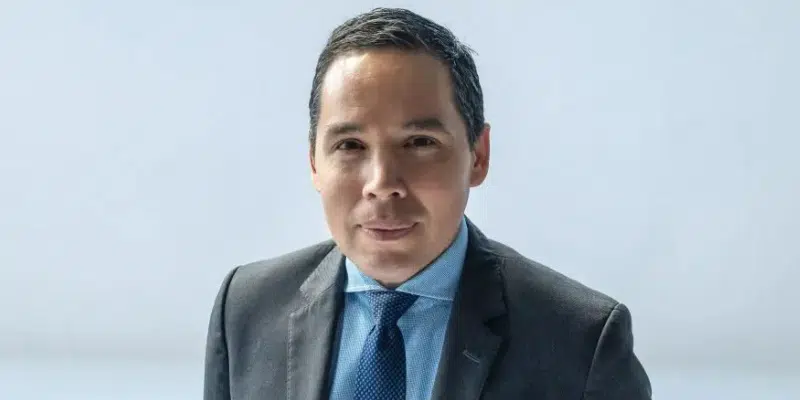
The Inuit Tapiriit Kanatami has written an open letter to “alert Canadians to false claims to Inuit identity.”
The ITK says its letter is intended to draw attention to what it says are the efforts of the NunatuKavut Community Council to engage federal leaders, academic institutions and Canadians in an attempt to advance what it calls “its illegitimate claims to Inuit rights and status.”
The ITK met in Nain in late September, and agreed on working toward a National Inuit Identification Card to allow Inuit to identify themselves and their land claims enrollment status.
The ITK says in recent years, “Canadians have been confronted with a tidal wave of false claims to Indigenous identity.” It says those cases take advantage of the uncertainty many have surrounding Indigenous identity and fraudulent claimants often change their stories over time and use “aggressive measures to silence those who question them.”
It calls NCC, previously known as the Labrador Metis Nation, a “shape-shifting non-Indigenous organization” that it says is part of an “alarming trend of non-Indigenous people and groups co-opting Indigenous identities, cultures and experiences to secure financial resources and rights.”
The solution, says ITK, is for federal departments to actively implement the Inuit Nunangat Policy by ensuring that only Inuit Treaty Organizations and their members are eligible to access federal programs, policies and initiatives intended to benefit Inuit.

The NCC meanwhile, says it is “disgusted and appalled” by what it says are the continued attempts by the Inuit Tapariit Kanatami to “erase the Inuit of NunatuKavut” and deny access to critical federal supports.
President Todd Russell calls the latest correspondence from Natan Obed “defamatory” and “filled with outrageous claims.”
He says the ITK has no right to determine NunatuKavut identity. He claims that right belongs to NunatuKavut Inuit and them alone.
Russell claims that despite numerous offers to meet, ITK President Natan Obed has “not responded or made time for conversation and learning.”