


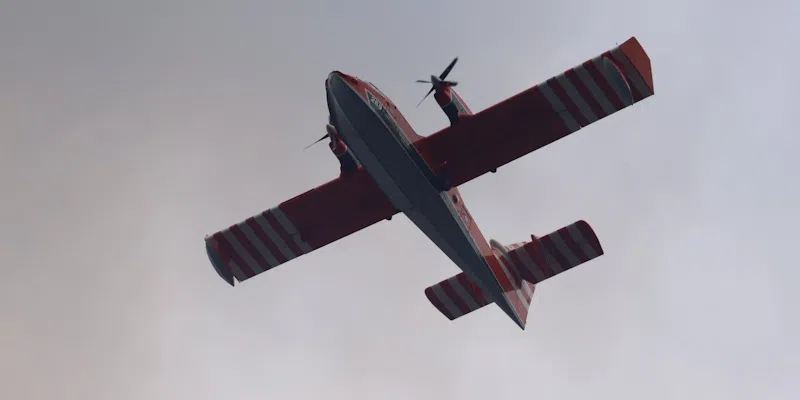
As if fighting a forest fire in a water bomber or helicopter wasn’t dangerous enough—now air crews have to contend with drones that may encroach on their flight paths.
Last week, Forestry Minister Lisa Dempster had to issue a plea for people not to fly drones in the area of the wildfires that threatened Badger, calling the practice a “real impediment” to firefighting efforts.
Water bombers and helicopters can’t fly if there’s a drone in the area, because of the serious risks they pose.
Chris LeGrow is a commercial pilot who has never flown a water bomber but has flown low-level offshore surveillance. He says the dangers that waterbomber pilots face are difficult enough, without the fear of colliding with a drone.
“When you’re operating at 1,000 feet and below, like these water bombers do, both pilots on the flight deck have their undivided attention to ensuring that the aircraft is being operated safely at a very high speed. It’s a very complex operation. You’re dealing with smoke which can reduce your visibility, you’re operating with another aircraft usually called a birddog who will direct the waterbomber to the path and the location in which they want to drop their load. So anything that’s in a low level environment whether it be birds, drones, whatever, you’re moving at 150 to 200 km/h. It can be very difficult to see.”
LeGrow says in his own experience in low level flying, birds tend to get out the way, whereas drones usually hover in one spot, and often blend in with the surroundings.