


The tariff threat from the United States has ignited conversations about tearing down barriers to interprovincial trade, but Premier Andrew Furey says that is easier said than done.
Federal Conservative leader Pierre Poilievre kickstarted the conversation when he stated that, if he were elected, he would prioritize increasing internal trade, and offer provinces a Free Trade Bonus to get a deal done.
While Furey agrees that those barriers need to be removed, it is not a simple process.
He calls internal trade the “billion-dollar bill on the floor that no one wants to pick up” because it is a difficult process to navigate from a historical and territorial perspective.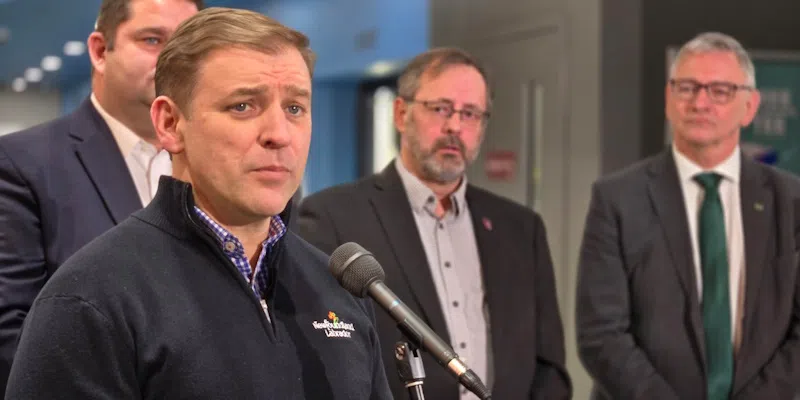 For example, he says wine producers in Quebec might have a problem with wine producers from British Columbia coming into their territory. Similarly, local beer brewers from here might have a problem with other products being brought in.
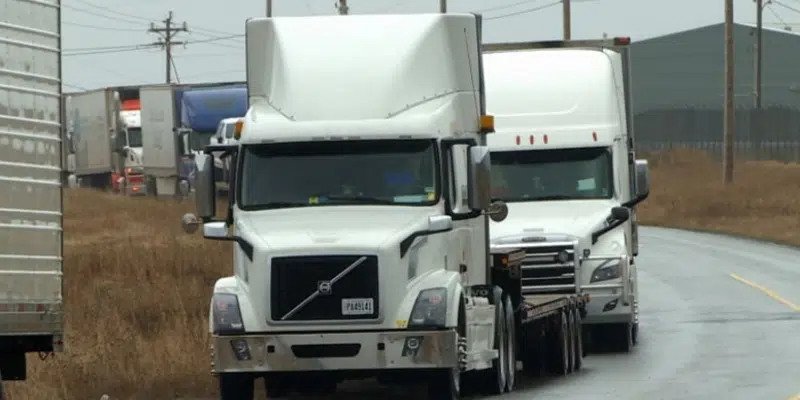
“Whether that’s labour mobility or actually movement of goods, I’m particularly keen on helping truckers – I know there’s been a lot of barriers moving goods that have to do with the trucking industry,” he said.
It’s something he believes is a shared concern of other provinces, and he’s spoken to the federal minister about the issue.
Furey says it’s important that Canadians keep their guard up, something he calls a sad state of affairs.
“I believe that his (Trump’s) angle is to divide and conquer Canada, and we need to make sure that we prevent that.”
Impact on Trucking
The owner and operator of Akita Equipment and Auto Transport is encouraged by the discussion surrounding the elimination of interprovincial trade barriers.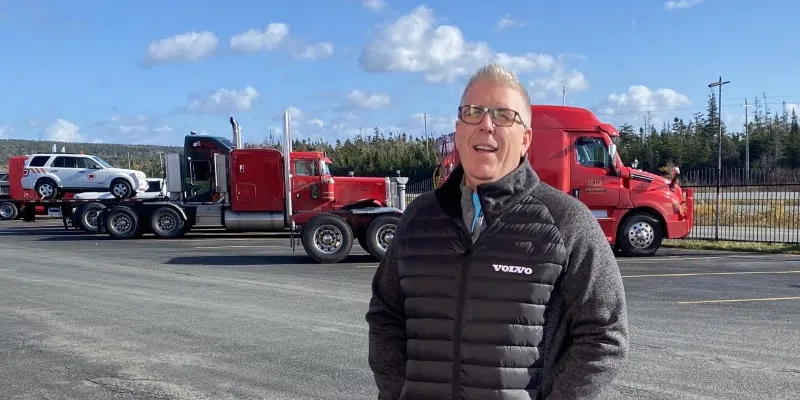 Chris Howlett says the spectre of U.S. tariffs on Canadian goods would be devastating for the trucking industry.
He says they transport items to the U.S. oil sector and truck seafood to American markets as well. “We’re looking to get back,” says Howlett, “if stuff is not traded between the US and Canada coming back, it’s going to get pretty expensive for people. We need those back hauls coming back,” and tariffs will change all that.
Meanwhile, he’s pleased to see greater conversation across Canada to find ways to lift barriers between provinces from coast-to-coast.