



A sequence of federal political polls show the Liberals maintaining a lead over the Conservatives but how those numbers break down into seats won in the House of Commons may not necessarily reflect popular support.
The latest Angus Reid survey shows while the Conservatives have rallied, the gap remains.
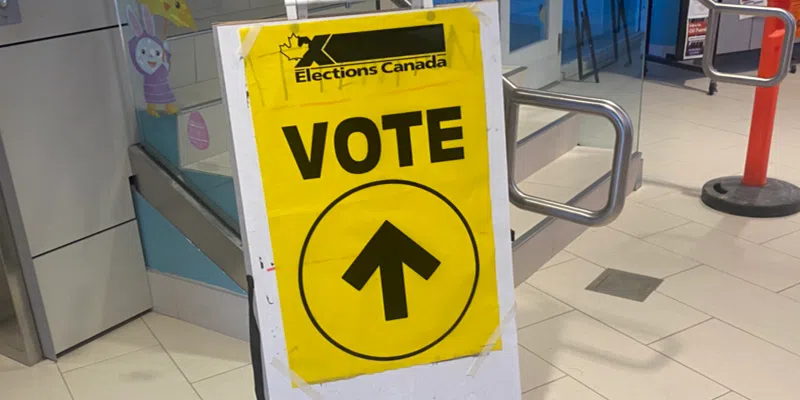
Voters will make a definitive decision on Monday, in an election that has essentially become a two-horse race between the Liberals and Conservatives.
Dalhousie University political scientist Lori Turnbull says polls can be tricky, and don’t always give a sense of how many seats will be won or lost.
She cites the strong Conservative support in the west as an example.
“Oftentimes you’re looking at (Conservatives candidates winning their ridings in the west) by a huge margin” says Turnbull. While “that adds to the popular vote, that adds to what shows up in the polls, but it doesn’t actually translate into seats for the party.”
She says in those terms, the Liberal vote “tends to be more efficient.” That’s why, says Turnbull, the parties are concentrating their efforts in Ontario which has the largest number of seats.
“So when you’re looking at those numbers, you’ve got to kind of assume, it’s not if like they get roughly the same number in the popular vote that they’re going to get the same number of seats, the Liberals will get more.”
She says the NDP vote has “collapsed” and while the Bloc are doing a bit better after the French language debate, they still have a fight ahead against the Liberals in Quebec.