



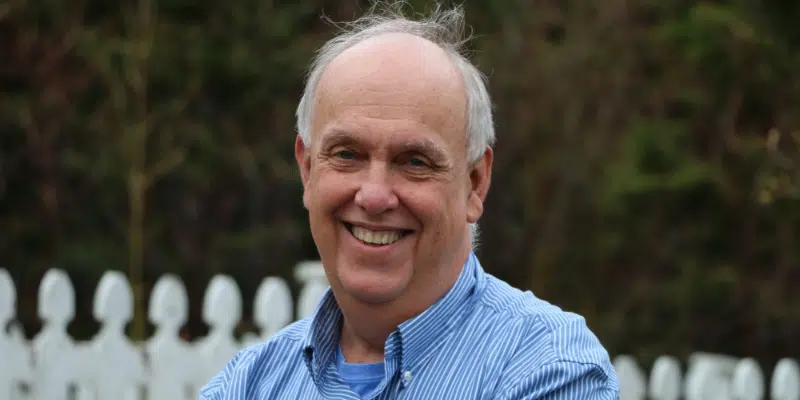
The Autism Society says respite care for families caring for children and adults needs to be professionalized in the same way that the role of early childhood educators has evolved in recent years.
Executive Director Paul Walsh says respite care needs to be recognized as a profession to provide meaningful, stable employment and training opportunities to fill that vital role.
Sarah Burton, a single working mom whose autistic 8-year-old daughter Adalyn Skinner spent a whole night in the elements after running into the woods near her home on Random Island, says respite care is nearly impossible to find.

Sarah Burton and her daughter Adalyn Skinner (via Facebook)
Adalyn’s primary caregiver while Burton is at work is Burton’s mother.
While she qualifies for respite care, she can’t find a worker because the pay isn’t enough, and there is no training that comes with the job.
Walsh agrees that respite care needs attention.
“There is an economic argument for this, there is a social argument for this, there is a human argument for this,” says Walsh. “It all adds up to the need to professionalize respite, and to make it a viable option for people.”