



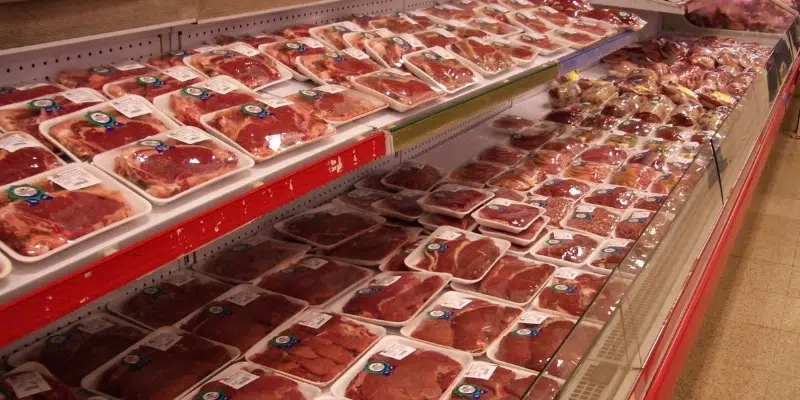
Where’s the beef? Researchers say low inventories of livestock across the country will be a driving factor of higher meat prices in the new year.
Dr. Sylvain Charlebois, lead researcher and director of the Agri-Food Analytics Lab at Dalhousie University, says in Newfoundland and Labrador, grocery prices are expected to rise around 5 per cent in the new year.
In terms of meat specifically, Charlebois says the country is dealing with “some very low inventories, especially when it comes to beef.”
He says Canada’s beef herd is the same size now as it was back in 1987, despite the population increasing by 15 million people. In the US, Charlebois explains, the problem is even worse – with the population being the same now as it was in 1951. He says that is pushing prices higher.
The Trump Transition
Meanwhile, incoming US President Donald Trump’s promised deportation of millions of illegal immigrants could also have an impact on food prices in the coming year.
Economist with the Canadian Exporters and Manufacturer Alan Arcand says many agricultural workers in the US are undocumented immigrants.
“Roughly 50 per cent of the labour force in agriculture…don’t have legal status, ” says Arcand. “So if he does go through with large-scale deportations, you can imagine…that would cause a lot of labour shortages, and thus, spikes in prices for food.”