



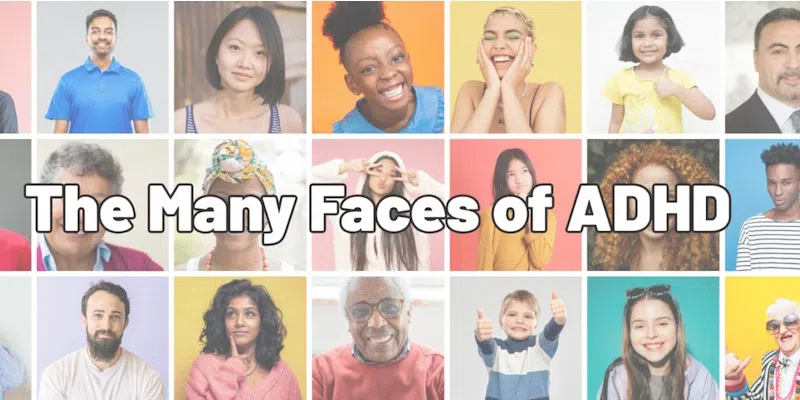
October is ADHD Awareness Month and the theme this year is The Many Faces of ADHD.
Attention Deficit Hyperactivity Disorder affects some 1.8 million Canadians of all ages, races, and backgrounds and can influence school, work, relationships and self-esteem.
According to the Centre for ADHD Awareness Canada, the disorder has a very high genetic component, with the chances of passing it down estimated to be as high as 77 to 88 per cent.
Clinical Child Psychologist Dr. Janine Hubbard says the understanding of ADHD has changed dramatically in recent years.
The number of adults who are seeking an ADHD diagnosis is “booming” according to Hubbard. She says when she was in grad school in the mid-90s, “we still thought kids outgrew ADHD. That’s not that long ago, so it’s one of the reasons it’s such an exciting area, because our knowledge continues to evolve, and our understanding of it just keeps expanding.”
Hubbard says it may pose difficulties in some areas of a person’s life, and a diagnosis often comes as relief to children and adults alike.
“One of the original books that was written was ‘You Mean I’m Not Lazy, Crazy or Stupid?’ Kids know that they are struggling, ‘Why do I have to work so much harder? or Oh! I know I’m not supposed to do that, but I did it again.’ I mean the amount of negative messaging that kids or adults even, receive…it’s the ‘Don’t! Stop! No! Why did you do that? Why didn’t you do that?'”
Hubbard says adults with ADHD often seek out and thrive in unpredictable and fast-paced careers like emergency response, emergency medicine and journalism.