


The FFAW is welcoming changes made by government to the fish processing license process.
In a letter to the union, the Department of Fisheries says applications for fish processing licenses will no longer be considered by the Fish Processing Licensing Board and will instead go straight to the minister for consideration.
The department says the decision is being made to “streamline” the processing of licence applications and “reduce barriers.”
The updated application process will also include the ability to receive a conditional fish processing licence where there is a commitment to buy or construct a fish plant.
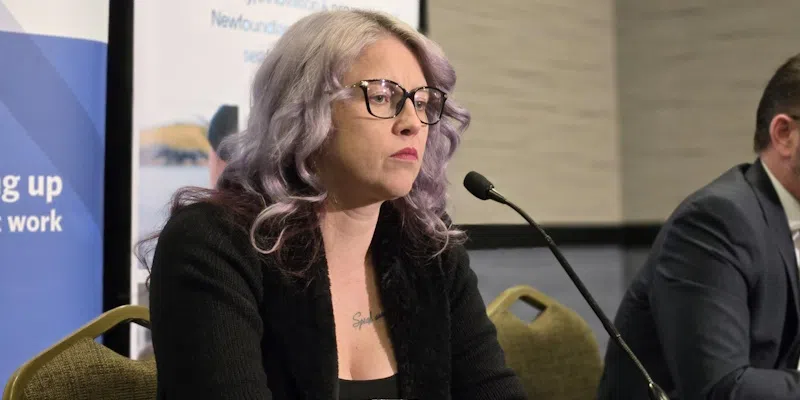
Union President Dwan Street says the changes will remove barriers and improve competition.
“So if you want to build that cod plant in LaScie, the government will give you that conditional license and you can go to the bank and say ‘look, here’s my license, once my plant is up, is CFIA approved and I’m ready to go, they’re going to make this license operational'” says Street. “And we need more processing, because right now we’re leaving millions of pounds of cod in the water this year, simply because there’s nowhere to process it.”
Street says for the first time in a long time, harvesters feel like they’re being heard.
“I will say, after sitting across the table from numerous governments over the years, this is the first time I am confident that this government is listening to workers, people in the communities and not those ‘Big Five’ companies.”
Icewater Seafoods responds
Icewater Seafoods has responded to union president Dwan Street’s comments. CEO Alberto Wareham says:
“There is no shortage of cod processing capacity in Newfoundland and Labrador. Icewater Seafoods in Arnold’s Cove, NL processes only cod, is recognized as one of the top cod producing plants in the world and the only of its kind in North America.
Icewater Seafoods was only at full capacity for five weeks since the inshore cod fishery opened on July 13, 2025. The plant can produce 50 million pounds (or 23,000 tonnes) of quota weight inshore cod per year with its current production layout.
For Newfoundland and Labrador to compete in premium cod market, we need to supply customers 12 months of the year, not just the 12 weeks of the year when cod is in the inshore. Supplying these year-round premium markets provides year-round employment for plant workers and higher price to harvesters for their cod.”