



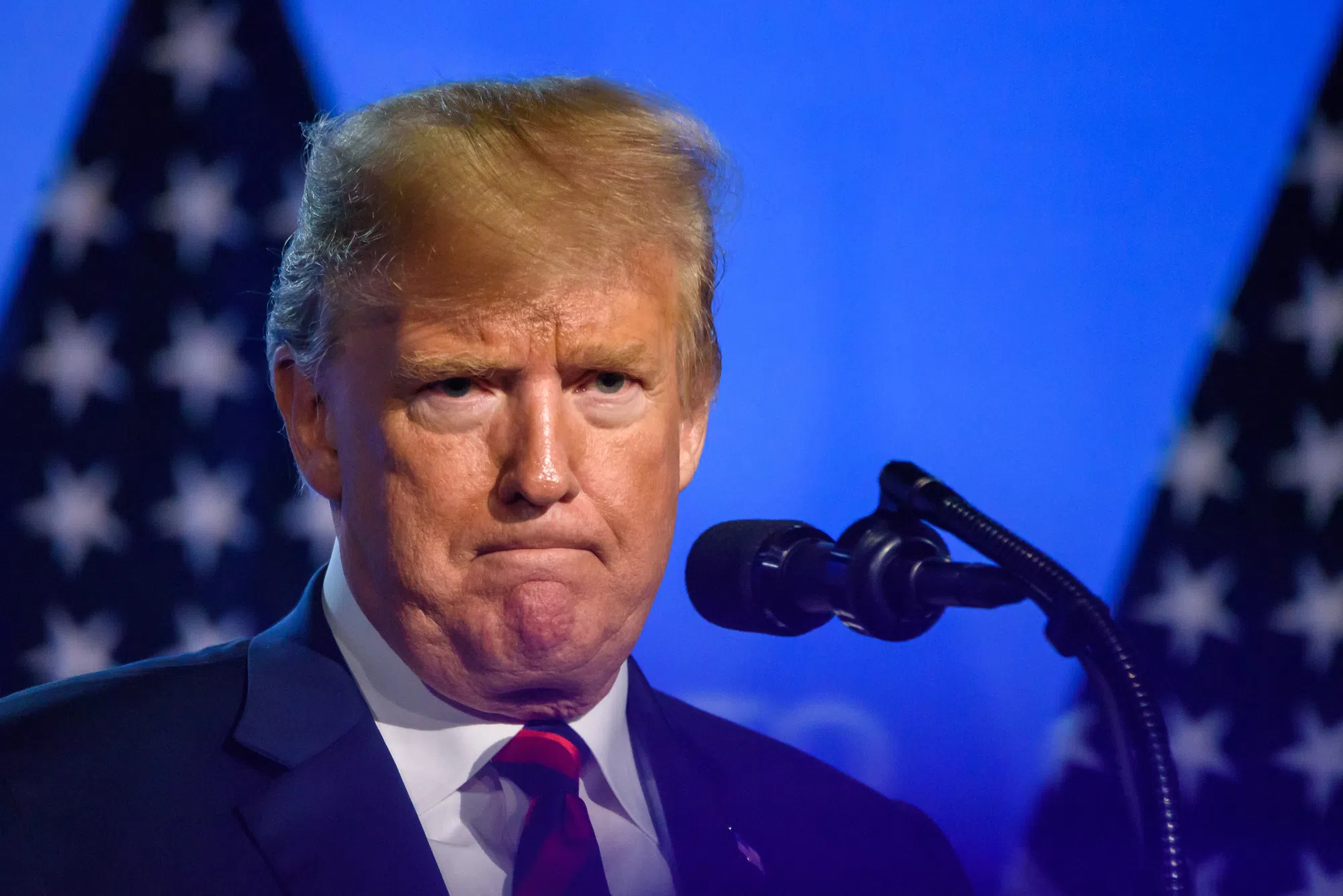
A new warning from the White House sharpened the crisis on Sunday as President Donald Trump told Iran it had 48 hours to fully reopen the Strait of Hormuz or face strikes on its power infrastructure. Iranian officials, speaking through state channels and maritime representatives, said the waterway would stay open for international shipping except for vessels linked to countries Tehran considers hostile.
The standoff came after another round of missile fire and retaliatory strikes deepened the conflict between Iran, Israel, and the United States. Israeli areas near a sensitive nuclear site were hit, while Iran signaled it would answer any attack on its energy sector by targeting regional infrastructure tied to the U.S. and its allies.
The Strait of Hormuz remains the central pressure point. It handles a major share of the world’s oil and gas shipments, so even partial disruption is already pushing up prices and raising concerns far beyond the Middle East. Governments across the region are now balancing military readiness with efforts to keep shipping lanes open and prevent the conflict from spreading further.