


The Churchill Falls MOU review panel has determined that the document, in its current form is not in the best long-term interest of Newfoundland and Labrador, but there are decisions the government can make to fix those issues.
The review committee says the most important issue for government is to identify how value should be created for the province from the power produced at Churchill Falls, calling it an issue of financial vs economic value.
The total economic value is significant, according to the panel, and while the $227-billion “nominal” amount in government documents is correct – it is best represented by a present net value amount of $31-billion.
The panel says that while the MOU would increase NL Hydro’s access to existing power by 605 megawatts before 2041 and up to 60 per cent of existing Churchill Falls Capacity by 2061, a “significant limitation” is that it only allows for an additional 500 megawatts from 2042 to 2075. Panel members believe that could limit growth in industries such as mining, and if there was greater capacity the impact to the GDP could be 65 per cent higher ($115-billion).
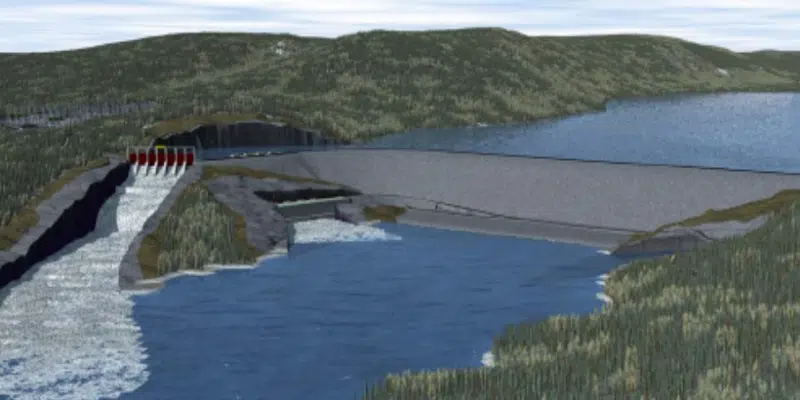
Proposed Gull Island project, courtesy Nalcor.
The second issue is whether a 60/40 joint ownership model for Gull Island is in the public interest. The panel maintains that a joint venture would likely be a permanent decision, and are often hard to maintain in the long run, with conflicts “likely to arise” when a shareholder is also a major customer. The committee has found that other ownership arrangements used in the energy sector (such as Participation Agreements, Public-Private-Partnerships, and Build-Operate-Transfer models) were not considered before negotiations started, and they should have been.
The committee also raises concerns with the way negotiations were overseen, (concluding that it did “not meet the standards demanded by a project of this scale, complexity, and importance,”) and how to best utilize the balance sheet of CFLCo.
In conclusion, the committee says the province could make “significant decisions” based on their recommendations and work towards a revised agreement.

Energy Minister Lloyd Parrott and Premier Tony Wakeham (Government of NL)
New Panel Struck
Meanwhile, government has announced the details of a three-person committee to lead any future negotiations, noting that the conclusions in the review will be used as the foundation for that work.
The team will include former Fortis CEO Barry Perry, lawyer and former PC cabinet minister Jerome Kennedy, and current NL Hydro CEO Jennifer Williams.
That committee will report to a new Independent Oversight Body, the details of which will be announced shortly.
Premier Wakeham says his government is at the table and is willing to negotiate, but the speed of progress isn’t just up to them – and it depends on how quickly Quebec and the federal government choose to act on addressing the concerns of the committee