


The union which represents workers at the gulf ferry docks who are responsible for reducing the risk of contaminated soil getting from Newfoundland to the mainland disagrees with the federal government’s move to drastically reduce or eliminate that form of protection.
Spraying vehicles has been the routine for all traffic boarding in Port aux Basques and Argentia in efforts to prevent the spread of potato wart.
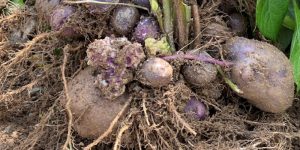
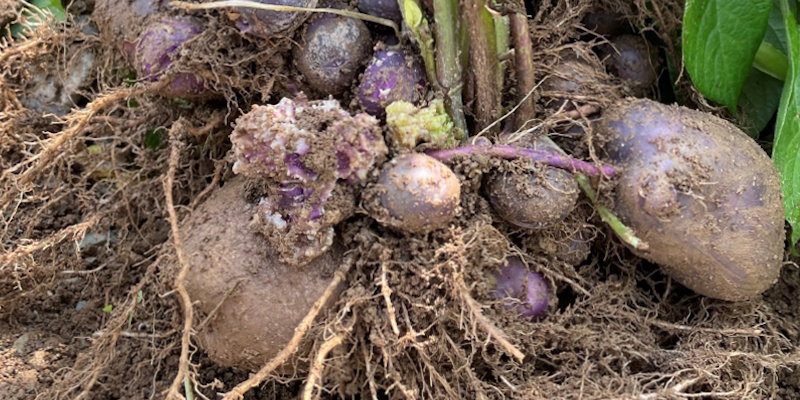
The fungal disease, which is commonly found in Newfoundland soil, poses no risk to humans but can devastate potato crops.
Milton Dyck, the national president of the Agriculture Union under the Public Service Alliance of Canada, says the facilities being downgraded are not washing stations, but quarantine stations.

Milton Dyck – National President of the Agricultural Union (via Public Service Alliance of Canada)
He says they’re still finding soil at the ferry terminals.
The Canadian Food Inspection Agency says it remains committed to protecting the agriculture industry from soil-borne pests, including potato wart. Instead of washing vehicles, it’s moving to a science and risk-based approach that focuses on high-risk vehicles and equipment.
Listen to “Milton Dyck, National President of the Agriculture Union for PSAC” on Spreaker.
It’s says more than 98 per cent of the approximately 150,000 vehicles leaving Newfoundland each year are low risk and unlikely to carry contaminants.
Meanwhile, Dyck says the union hopes to sit down with federal authorities to discuss the phase-out.
Twenty-one people are employed by the CFIA in Port aux Basques and Argentia.