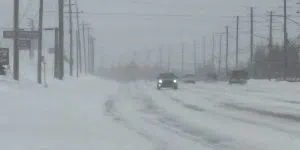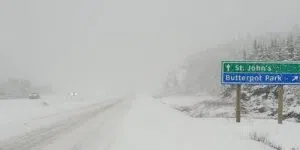



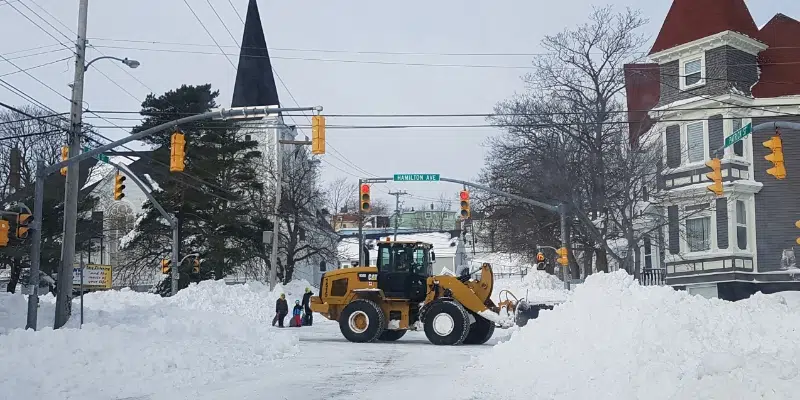
A climate scientist says it’s no particular criticism of St. John’s or the province, but the climate of the past—that was traditionally planned for—cannot be expected to persist into the future.
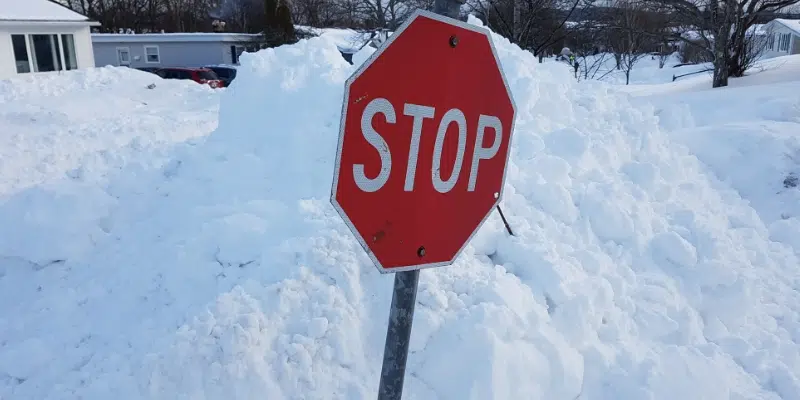
Climate scientists across the country were watching with great interest as the historic January 17 blizzard dropped more than 76 centimetres of snow at St. John’s International Airport.
The ensuing eight-day State of Emergency has some of them stressing the need to be better prepared for extreme weather incidents.
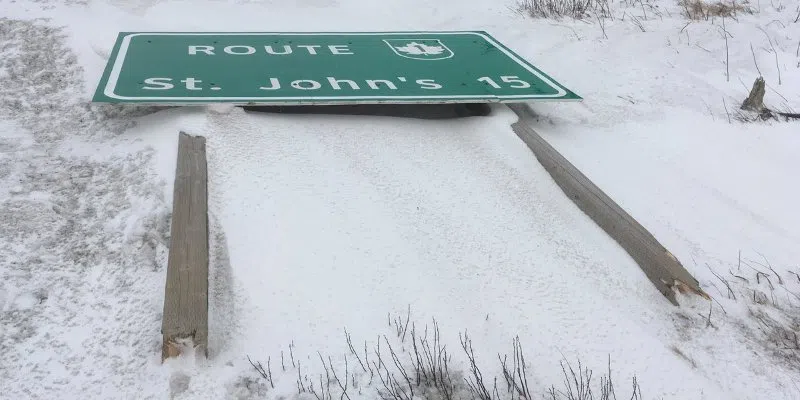
(Damage from November 2017 wind storm. VOCM file photo.)
Ryan Ness directs the adaptation team at the Canadian Institute for Climate Choices. He says with such extreme weather events—whether it’s snow, rain, or wind—people need to be prepared.
He states that even scientists cannot predict what the exact nature of weather will be in the future—but what is certain is that the province needs to be better prepared in case it must deal with unprecedented cases of extreme weather.
Ness adds that a lot can be learned from events like “Snowmageddon”—not only in Newfoundland and Labrador, but across the country.
He highlights the potential of analyzing what did and didn’t work, as well as assessing tactics that could have been handled in advance to decrease the severity of the storm’s impact.
They’re now trying to figure out the most cost-efficient and effected approach to methods which can be very expensive—like tripling the amount of snow removal equipment in Eastern Newfoundland.
Ness says if there are measures that can reasonably be taken, they should be taken.