


Toronto Police say a recent case involving the arrest of a Newfoundland man in connection with a murder that took place in 1998, sends a strong message both to perpetrators, and to the loved ones of victims.
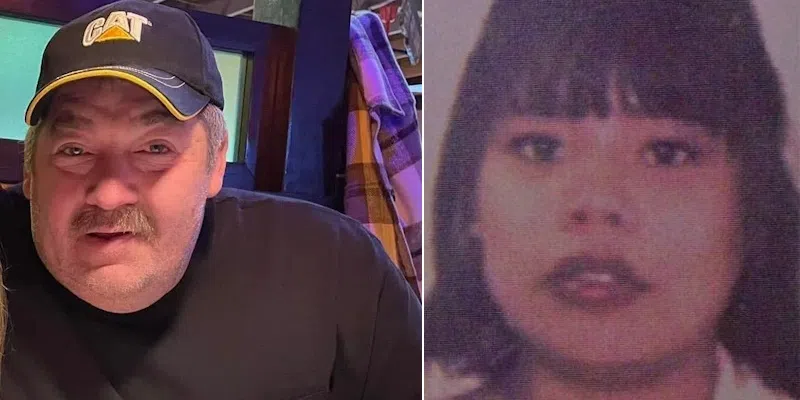
Fifty-year-old Ronald Ackerman of Gander was arrested at Toronto Pearson International Airport last week in connection with the investigation into the death of 24-year-old Donna Oglive.
Oglive, who was pregnant at the time, was found in a parking lot on Carlton Street on March 8, 1998. For years, investigators had very little information leading them to a suspect—until now.
After 26 years, breakthroughs in DNA and genetic genealogy have led to the arrest of Ronald Ackerman for the 1998 murder of Donna Oglive. “No matter how much time passes, we do not give up on victims of homicide,” said Det. Sgt. Smith. https://t.co/pvgI9RX5fs pic.twitter.com/6YJ6IXO8vf
— Toronto Police (@TorontoPolice) February 7, 2025
Police say DNA collected at the scene was linked to Ackerman, who was identified through the use of genetic genealogy—a tool that’s helped to solve 54 outstanding cases in Toronto Police jurisdiction alone.
The results have proven so helpful to investigations, the Toronto Police have recently hired five genetic experts to assist in their investigations using publicly available DNA databases—specifically GEDmatch and FamilyTreeDNA.
“Anyone that’s committed sexual assaults or homicides should be expecting a knock at their door, soon.”
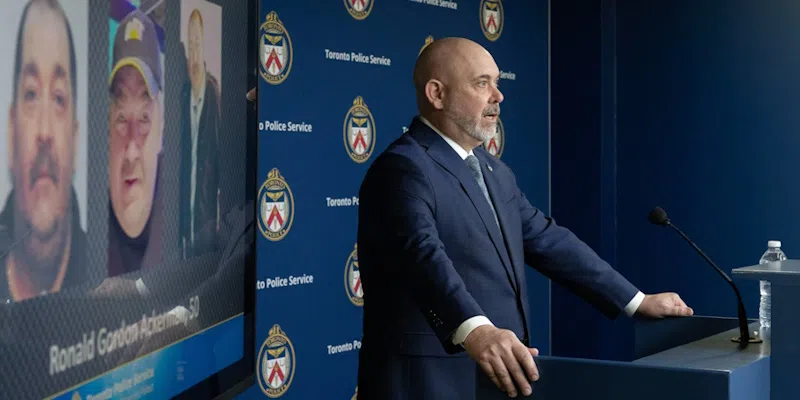
Acting Detective Sergeant Stephen Smith (Toronto Police Service)
Acting Detective Sergeant Stephen Smith says genetic genealogy is only used in three different types of cases where DNA can make a difference; sexual assault, homicides and unidentified human remains.
For any perpetrators who think the passage of time means police don’t have them on their radar, Smith says; think again.
“With this new tool, anybody that’s committed sexual assaults or murders across Canada over the past 40 or 50 years, we’re going to be coming looking for them. We’re going to be using this technology to track people down. So anyone that’s committed sexual assaults or homicides should be expecting a knock at their door, soon.”
Genetic Genealogy Used to Identify Severed Head Found in Conception Bay South in 2001
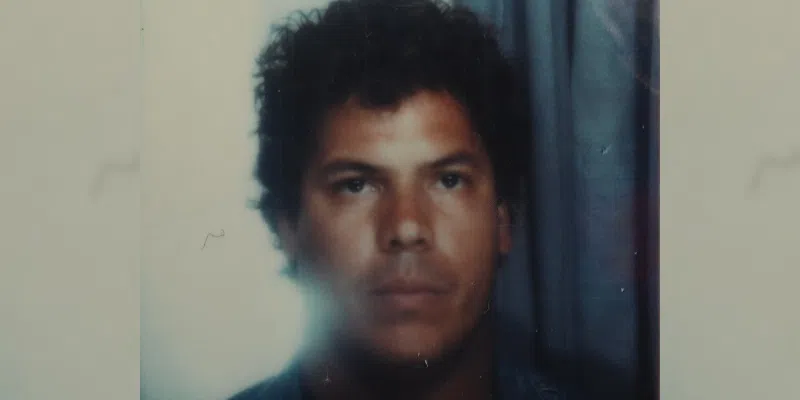
RNC were able to find a match with a distant cousin through GEDmatch in January of 2022, but the relative knew nothing about Casas. (Royal Newfoundland Constabulary)
Genetic genealogy was used to help identify a man whose severed head was discovered near Mineral’s Road in CBS back in 2001.
Temistocle ‘Temy’ Casas—who was originally from Cuba and had traveled to Quebec City on a tourist visa in 1992—was positively identified using the same service Toronto Police used to identify and arrest Ackerman in their 26-year-old homicide investigation.
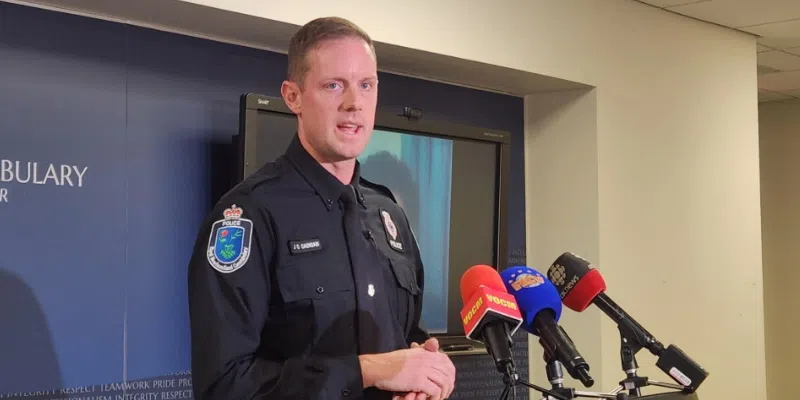
RNC Constable James Cadigan (VOCM News)
RNC Constable James Cadigan says genetic genealogy is another tool for police investigating serious crimes.
“It’s actually amazing to see how it connects internationally and it’s not just within Canada, it really projects family around the world and provides us with avenues to explore further.”
In this case, it helped RNC positively identify human remains which until then, had been unknown.
RNC are continuing their investigation and are continuing to follow leads in the Temy Casas homicide case.