



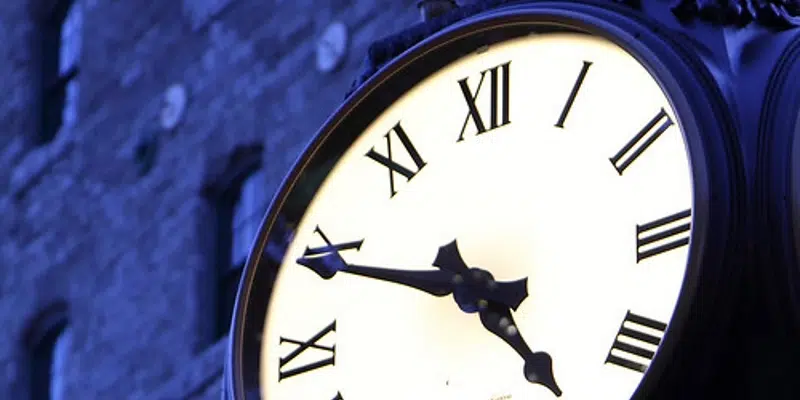
Darkness will descend on us by the supper hour next week as we prepare to fall back into Newfoundland Standard Time for the next four months or so. The time change affects everyone differently but, generally speaking, turning the clocks back one hour is easier on our sleep habits than the spring time change when we lose an hour’s sleep.
Dr. Sheila Garland, a clinical psychologist and director of the Sleep, Health and Wellness Lab at Memorial University, says the most difficult aspect of the fall time change is the lack of sunlight, especially in the evening hours. She recommends that people do their best to get in some type of physical activity, such as a brisk walk, before the dark hours.
The average sleep is 6 to 9 hours but about 15 per cent of the population suffers from serious insomnia.
Dr. Garland says that can go up when you take a look at the occasional trouble sleeping to 30 to 40 per cent of the people. Now, she says people may be sleeping too much and that can also cause problems and make you feel worse sometimes.
The clocks will “fall back” at 2 a.m. on Sunday.