


There has been plenty of public discussion of late about so-called trap houses and the criminal activity and violence that is ruining the neighbourhoods where they operate.
Public calls for action are growing, but the problem is a complex one, and the solutions often require a multi-pronged approach that goes beyond simply arresting people and shutting the houses down.
That’s prompted End Homelessness St. John’s to issue a series of posts about the criminal element which takes over a rental unit from the tenant for nefarious purposes.
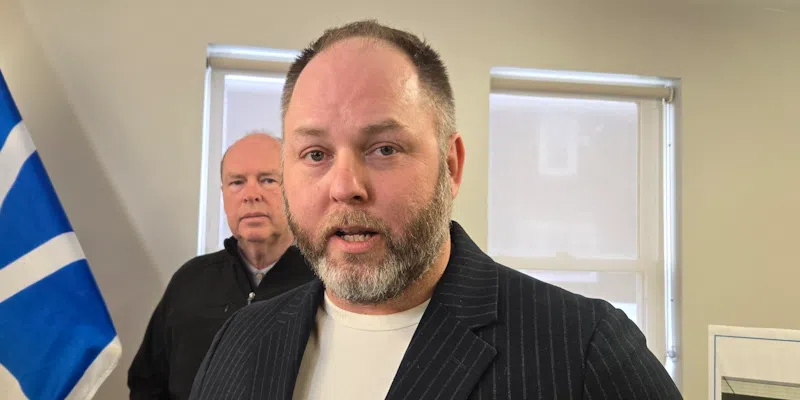
Doug Pawson of End Homelessness St. John’s says a lot of trap houses actually involve what are known as Residential Unit Takeovers.
He says they often involve people who could be highly vulnerable to organized crime and the criminal element, “who for one reason or another are unable to not have people come in their homes. And when people come into their homes they often will operate illegal activities out of that. That’s where the Trap House narrative comes from.” He says trap houses often become a focal point for illegal activity, substance use and violence.
Pawson says one solution to the problem is to help vulnerable victims of Residential Unit Takeovers by providing them with supportive housing.
“He admits, it’s a challenge, and tenants need to know what their options are to allow them to cancel their lease and then law enforcement can move in and remove people from the home who are not supposed to be there. “But people don’t want to lose their lease, because it’s very difficult to find other housing. So, it’s a real challenge, but that’s the easiest and best way to get somebody out is to let them know what options (are available) and find other housing with supports who they don’t find themselves in a similar situation.”