



The World Health Organization is in the process of collecting information on the death of a lab worker in Russia who worked in a high-risk anti-plague lab.
The 28-year-old woman died in hospital of what Russian officials have said is pneumonia.
The fear is that the woman may have contracted pneumonic plague which is spread through human to human contact.
There are new media reports indicating that a second worker has since been diagnosed with pneumonia “of unknown origin” and dozens of people have been quarantined.
That has prompted world-wide concerns about spread of the illness notorious for a series of devastating global outbreaks through the medieval period.
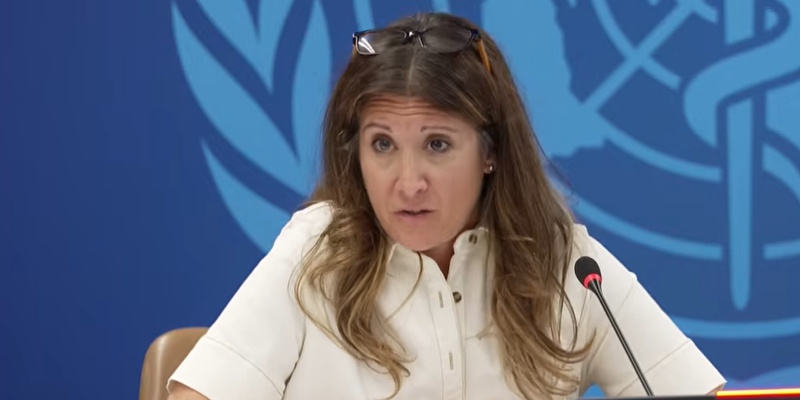
The director of Epidemic and Pandemic Management with the WHO, Dr. Maria Van KerKhove, says they are aware of the media reports surrounding a second case and are trying to verify what they can.
She says the WHO has reached out about “what tests were done? The results of those laboratory tests…what further analysis is being done if the cause is not yet known? What contacts were put under quarantine or are under follow-up? What did that involve? If the quarantine period is over? We don’t have a full picture yet…What we have been told is that they had no case of plague registered in this area and that no high-threat pathogens were detected.”
Dr. Van KerKhove says they still don’t know exactly how the lab worker, who was highly trained and would have been vaccinated and working under protective protocols, died.